About
UPhDExperience 2026
6 – 23 July 2026
3rd UPorto Research Summer School in Microbial Communities:
Taste of PhD Experience
BIP & EUGLOH International Programme
At the 3rd UPorto Research Summer School in Microbial Communities with the motto “Taste of PhD Experience (UPhDExperience 2026)”, students will immerse themselves in a transformative educational experience aimed at preparing them for the rigors of doctoral studies.
Participants will explore the dynamic landscape of research at the University of Porto around the microbial communities, gaining insights into
state-of-the-art technologies that are available. Through engaging sessions, they will uncover the realities of the “life” of a PhD student, understanding expectations and honing essential skills tailored to prepare for it.
Additionally, this program offers a unique opportunity for students to build a network both within and beyond the UPorto ecosystem, fostering connections and collaborations with departments, research units/groups, and institutions at the national and international levels. Concurrently, the summer school aligns with UPorto's goals of increasing its visibility on a national and international scale, fostering interdepartmental collaboration, and attracting top-tier PhD talent to contribute to its academic legacy.
Accredited International Summer School
UPhDExperience 2026 is an accredited Summer School of the Faculty of Engineering of the University of Porto (FEUP), developed within the framework of a Blended Intensive Programme (BIP) and EUGLOH – European University Alliance for Global Health.
This edition strengthens international collaboration through the participation of leading European partner institutions, namely UiT – The Arctic University of Norway and Université Paris-Saclay.
Participants will have the opportunity to interact with internationally recognised researchers, including Sybil Obuobi (UiT) and Romain Briandet (Université Paris-Saclay).
View Official FEUP Course InformationWho can apply
We welcome international/national master students from any scientific background (e.g., biology, biochemistry, medical science, engineering and physics) who are motivated and interested in microbiology, biotechnology, and other related areas.
How to apply
Students will need to fill out a short application stating why they want to participate in the program and what they hope to learn. The Scientific Committee will choose the top 20 candidates with a focus on diversity (male/female + subject area representation). Applications are accepted exclusively in English via the online platform (here).
Timeline
01/02 – 23/05/2026: Call Open
31/05/2026: Final Communication of
selection results
06/07/2026: Start of the Summer
School


Round Table: Relevant information for applying to PhDs and what to expect
Applying to a PhD program is an exciting step towards advancing your academic and professional career. Selecting a program that aligns with your research interests and offers strong faculty and resources is crucial, while preparing compelling application materials, including a focused statement of purpose and strong letters of recommendation, can set you apart. Securing funding through fellowships and assistantships can help support your studies during this rigorous yet rewarding journey.
Join us in this round table which will approach what to expect during a PhD experience!
Invited Speakers
Bruno Pereira
(ANICT President) →
Fernanda Correia
(U.Porto Talent and Career Office) →
Maria Inês Ferreira
(U.Porto Talent and Career Office) →
Romain Briandet
(MICALIS, INRAE, AgroParisTech, Université Paris-Saclay) →
Sybil Obuobi
(UiT The Arctic University of Norway) →
Miguel Leitão
Miguel holds a Bachelor’s and a Master’s degree in Biomedical Sciences from the University of Beira Interior. He is currently pursuing a PhD in Chemical and Biological Engineering at the Faculty of Engineering, University of Porto. His doctoral research focuses on developing innovative multi-target-directed agents for the treatment of biofilm-associated infections, particularly through the design of antimicrobial hybrid molecules and natural-based therapeutic strategies. During his PhD, he also conducted international research at the Commissariat à l'énergie atomique et aux énergies alternatives (CEA Paris, LCBM), working in a multidisciplinary environment integrating microbiology, organic chemistry, and computational approaches. He is the author of multiple first-author publications in high-impact journals in microbiology and medicinal chemistry, with additional co-authored publications and manuscripts under review. He is also co-inventor of a patent on antimicrobial hybrid molecules targeting biofilm-associated infections.
Marta Tedim
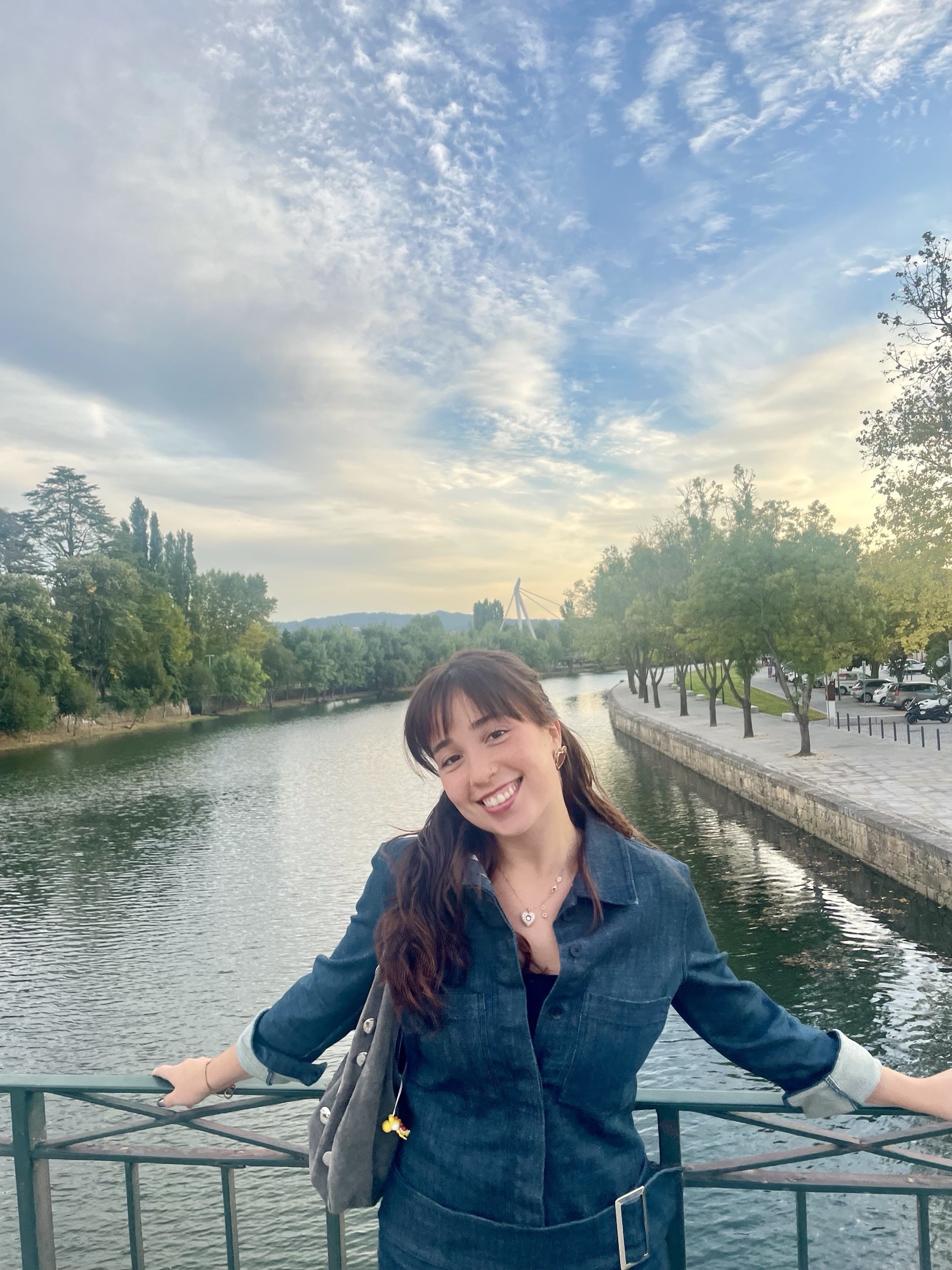
Marta is a 1st year PhD Student in Chemical and Biological Engineering with a B.Sc. in Bioengineering and an M.Sc. in Biological Engineering. Her PhD research aims to develop a quantitative image analysis pipeline to characterize interkingdom biofilms associated with chronic wound infections. Her work explores how antibiotic exposure influences biofilm architecture at the single-cell level. Her research interests include microbiology, quantitative image analysis and biofilms.

Inês Leal
Inês Leal holds a bachelor's degree in Biology from University of Porto and a master's degree in molecular and Microbial Biology from University of Algarve. Currently, she is in the second year of her PhD in Environmental Sciences and Technology that is being done in a collaboration between CIIMAR (ECOBIOTEC- BMS group) and Águas e Energia do Porto, E.M. After working in bioremediation and environmental microbiology during her bachelor’s and food microbiology during her masters, her current work focuses on bioremediation and nature-based solutions for the removal of micropollutants, mainly pharmaceuticals and microplastics, from the effluent of wastewater treatment plants. Her work combines several areas such as microbiology, molecular biology and organic chemistry to improve the quality of the effluent released to the aquatic environment, to improve the overall health of the aquatic systems.
Bárbara Guedes
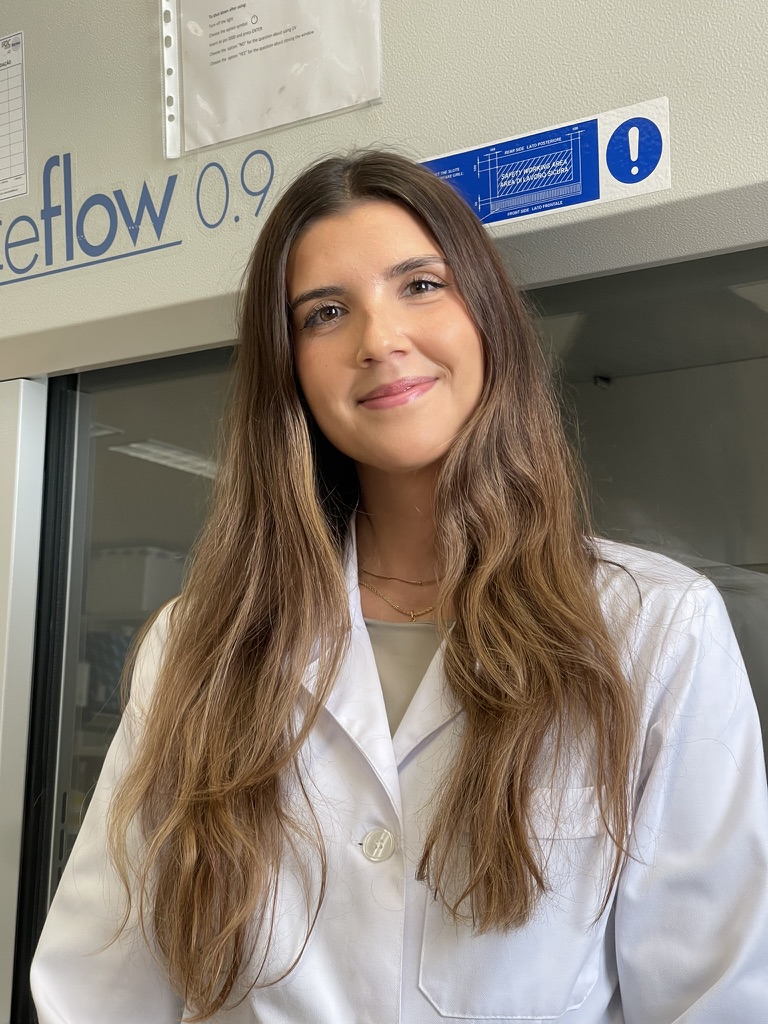
Bárbara Guedes holds a BSc in Biology and an MSc in Cellular and Molecular Biology, both from the Faculty of Sciences at the University of Porto. Currently, Bárbara is a 1st year PhD student in the Microbiology and Biotechnology in Aquaculture (MBAqua) group at the Interdisciplinary Centre of Marine and Environmental Research (CIIMAR), University of Porto.
Her research is centred on sustainable fish vaccination strategies to prevent and control bacterial infections in aquaculture. She focuses on developing next-generation oral vaccines using Bacillus subtilis spores as innovative delivery vehicles (SporoVaccines).
Additionally, she investigates the use of molecular adjuvants, a relatively unexplored approach in oral immunisation, to boost immune responses and enhance vaccine efficacy.
Barbara’s scientific achievements include 4 peer-reviewed publications (2 as first author), 11 presentations at national and international conferences, and co-supervision of 3 BSc students.
Anabela Borges
Anabela Borges graduated in Biology holds a Master’s degree in Clinical Laboratory Biology, and a PhD in Chemical and Biological Sciences. Currently, she is an Assistant Researcher at the Faculty of Engineering of the University of Porto and member of the Laboratory for Process Engineering, Environment, Biotechnology and Energy (LEPABE). Her main research interests are related to the problematic of antibiotic resistance and biofilm formation in bio(medical) fields. Her research is focused on the development of new antibacterial agents and strategies to fight bacterial resistance and biofilm-associated infections (e.g., chronic wounds, pulmonary), with special interest in phytochemical compounds and antipathogenic/antivirulence approaches (e.g., quorum-sensing inhibition). In recent years, she has been involved in national (5) and European projects (2) as PI or coordinator team member, and in the supervision of several students at different levels. She has held various editorial roles, including Associate, Section, Topic and Review Editor in reputable journals, and provided external services for global leader companies. She has more than 52 papers published in journals indexed in JCR (h-index = 27) on the domain of bacterial infectious diseases and antibacterial chemotherapy (specifically phytotherapy/phytomedicine). She was recognized as one of the most cited scientists in the World – on the World's Top 2% Scientists List 2021 and 2022 (Stanford University ranking).
Andreia S. Azevedo
Andreia S. Azevedo completed her PhD degree in June 2016 at Chemical and Biological Engineering from Faculty of Engineering (FEUP), University of Porto, in collaboration with the Nucleic Acid Center, Department of Physics, Chemistry and Pharmacy, University of Southern Denmark (NAC, SDU). After holding a Post-doctoral position at FEUP in April 2017 (FCT-funded grant-SFRH/BPD/121601/2016), Andreia S. Azevedo started to work as a junior researcher and as a principal investigator for one FCT-funded project entitled by "Development of NAM-CLASI-FIVH method: a new in vivo tool for an accurate analysis of diversity and spatial organization of gastric microbiota" (POCI-01-0145-FEDER-030431), at FEUP in January 2019. She is, from 2024, an Junior Researcher at LEPABE. Her main research interests include exploring and studying the hybridization properties of various nucleic acid mimics (NAMs), developing innovative Fluorescence in situ hybridization (FISH) methodologies using NAMs, and implementing and combining spectral imaging and NAM-FISH for the characterization of complex microbial communities.
Claúdia Serra
Cláudia Serra coordinates the MBAqua - Microbiology and Biotechnology Research Group of CIIMAR- Interdisciplinary Centre of Marine and Environmental Research and is Assistant Professor at FCUP- Faculty of Sciences of the University of Porto, Portugal. Her research interests include the study of fish gut microbial communities, their relation to fish health/performance, and the development of microbial-based strategies to fight aquaculture problems. Claudia has more than 20 years of practical lab experience in academic settings with strong connections to pharma and animal-feed industries, counting with 3 Patents. 1 licensing agreement and several prizes. She has been involved in national and international projects, in students supervision, and in disseminating her research to schools and the general public.
Fernanda Borges
Fernanda Borges (FB) is Associate Professor with Habilitation at the Faculty of Sciences, University of Porto (FCUP). FB received her MSc and PhD (Pharmaceutical Chemistry) in Pharmacy from the Faculty of Pharmacy, University of Porto, Portugal. In 2021/2022/2023 FB stood among the world’s top 2% most cited researchers and those with the greatest impact throughout their career, by the Stanford University Ranking. FB published 395 articles, 26 book chapters (H-index: 60; Scopus) FB supervised/co-supervised (inter)national students at PhD (36) and MSc (42) thesis. FB was the Principal Investigator (PI) and co-PI of 33 national projects, and the principal inventor in 8 (inter)national patents. FB was the National delegate (MC substitute) of COST-CM1406, proponent, Vice-Chair and Grant Holder of COST CA15135, and member of the coordinating board of the European Projects Foie Gas (ETN) and mtFoie Gas (Rise). FB participates in (inter)national networks. (e.g. European Nanomedicine Technology Network, PT-OPENSCREEN, EU-OPENSCREEN, Paul Ehrlich MedChem, COADD. FB is the Coordinator of the EU PhD network Paul Ehrlich MedChem and the founder of the MitoTAG spin-off. FB's research is focused on drug discovery, namely the development of new chemical entities for the prevention/therapy of neurodegenerative, liver, cancer, or infectious diseases and the development of nanomedicine systems for therapeutic/diagnostic/ drug delivery approaches.
Rute Oliveira
Rute Oliveira graduated in Biology by the U. Porto, received an MSc from U. Minho, and a PhD in Molecular and Cellular Biology from U. Porto. Her research carried out at the i3S and at the John Innes Centre, UK, contributed to fundamental research on the transcriptional control of bacterial responses to oxidative stress. During the 2020 pandemic, she participated in the establishment of the i3S COVID-19 Testing Centre. Rute was invited for 2 secondments at the medical industry in Basel, Switzerland, one of them as lab supervisor. She is currently committed to the development of the new i3S diagnostics centre and put research in infectious diseases at the service of NHS patient care, to accelerate pathogen diagnosis and antimicrobial resistance surveillance with NGS-based clinical assays.

Sandra Sousa
Sandra is a microbiologist with deep interest in Host-pathogen interactions. She obtained a PhD in the laboratory of Pascale Cossart (Institut Pasteur, Paris) studying the bacterial mechanisms triggering key host signaling pathways to facilitate bacterial invasion of mammalian cells. She has been focusing her research on the understanding of mechanisms of host usurpation by relevant human pathogens. Sandra has extensive expertise in host cytoskeleton remodeling induced upon bacterial infection and to bacterial plasma membrane damaging factors, such as secreted pore-forming toxins. Sandra leads the group of Cell Biology of Bacterial Infections (CBBI) at i3S since June 2019. Her current research focus on intracellular responses to plasma membrane damage caused by pore-forming toxins, which are secreted by relevant human pathogens and play key roles in infection. In particular, she concentrates on plasma membrane and actomyosin remodeling, ER disruption and calcium signaling triggered by pore-forming toxins induced damage.

Joana P. Fernandes
Joana P. Fernandes holds a degree (2012) and master’s degree (2014) in Environmental Sciences and Technology (FCUP-UP) and a PhD in Biomedical Sciences (ICBAS – UP, 2021). In recent years, her research has been focused on biodegradation of emerging pollutants by autochthonous microorganisms. She has been studying different biodegradation approaches to remove emerging pollutants from contaminated environments and how these remediation strategies can change the natural community dynamics and structure. In addition, she has been also working in the development of biochar structures with immobilized microorganisms, with the capacity to degrade different pharmaceuticals, to be implemented in tertiary or quaternary treatment of wastewater treatment plants. Also, she is the curator of the CIIMAR Microbial Culture Collection, working in the isolation, cultivation, and identification of microorganisms (bacteria and fungi) with different biotechnological purposes.

Miguel Semedo
Miguel Semedo is a microbial ecologist with a PhD in Marine Science (2019) from the Virginia Institute of Marine Science (United States). He is currently a Junior Researcher at CIIMAR and co-Principal Investigator of the Microbiome Ecology and Biogeochemistry group, where he is investigating the impacts of metal exposure on deep-sea microbial communities. Besides this main project, he collaborates in more than 5 national and international projects at CIIMAR in the fields of microbial ecology, nitrogen cycle, and environmental pollution. For his research, he applies molecular, bioinformatic, and biogeochemical methodologies to connect the dots between microbial community structure and biological activity. Miguel has made significant contributions to the fields of microbial ecology and environmental toxicology, with 22 research papers so far (8 as first author, 8 as corresponding) with more than 450 citations and an h-index of 10 (Google Scholar). He also supervises/co-supervises or has supervised/co-supervised 4 PhD students, 9 MSc students, and 4 BSc students. Miguel has funded his research and salary with competitive grants or fellowships, such as a Marie Skłodowska-Curie Fellowship (2021), an FCT Exploratory project (2022), an FCT IC&DT project (2023), and a 6-year Junior Researcher contract through the FCT national call (CEEC 2023).

Diogo Alexandrino
Diogo A. M. Alexandrino is a researcher at CIIMAR, an Invited Adjunct Professor at the Department of Environmental Health of School of Health (Polytechnic of Porto) and a Research Associate of the European Science Foundation. Diogo’s main research interest focuses on studying the physiology and metabolism of the bacterial degradation/transformation of (poly)fluorinated pollutants. He’s also highly interested in harnessing bacterial processes for pollution control, to mitigate anthropogenic pressures and to improve the circularity of various waste streams, either by using axenic bacteria, tailored bacterial consortia or by merging bacterial metabolism with synthetic processes.

Joana Vilas Boas
Joana Vilas Boas holds a PhD in Chemical and Biological Engineering from the Faculty of Engineering of the University of Porto. She began her scientific career in 2011 with an internship at Wetsus (Netherlands), working on microbial fuel cells for sustainable energy recovery. She is currently a Junior Researcher in the European project e.Biofilm (Horizon Europe), where she studies the 3D structure of polymicrobial biofilms. Her research focuses on understanding how the spatial organization of microbial communities shapes their function through quantitative analysis of confocal microscopy images.

Ariana Gonçalves
Ariana S. C. Gonçalves holds a Bachelor's and a Master’s degree in Biomedical sciences from the University of Beira Interior. She is currently pursuing her Ph.D. in Chemical and Biological Engineering at the Faculty of Engineering, University of Porto. Her research is centered on developing innovative natural-based combinations to address chronic wound infections associated with biofilms.

Leonor Pizarro
Leonor has a Bachelor’s degree in Microbiology (2020) and a Master’s in Applied Microbiology (2022), both from the Escola Superior de Biotecnologia – Universidade Católica Portuguesa do Porto. After conducting her master’s thesis at CIIMAR, she became a research technician there. Leonor is now a PhD student at CIIMAR, in collaboration with WHOI (USA), where she explores metal impacts and the bioremediation potential of deep-sea bacteria and microbial communities. Leonor participates regularly in deep-sea cruise expeditions where she collects samples for her PhD work, learns about various techniques and equipment, and establishes new collaborations. Being an avid believer that science should be shared, Leonor has participated in several national and international conferences, being the last the 17th Deep-sea Biology Symposium, last January in Hong Kong, given lectures to high school students about the Arctic and climate change, and she is also a part of CIIMAR’s PhD students committee that organizes several scientific activities, including an annual conference – the Blue Think Conference. Leonor’s PhD grant is funded by FCT.
Isadora Maia
Isadora is a 1st year PhD student in Chemical and Biological Engineering at FEUP. She holds an MSc in Biotechnology and has experience in microbiology and biofilm research. Before the PhD, she worked as a project researcher at LEPABE in collaboration with Chalmers University of Technology. In 2025, she began her PhD focused on developing and validating in vitro models for cystic fibrosis-related infections. In partnership with Bac3Gel, she applies PNA-FISH to study polymicrobial biofilms in 3D pulmonary models. Her interests include microbiology, infection models, genetic engineering and cellular modification, with a strong motivation to advance diagnostics and promote public engagement with science.

Miguel Pinto
Miguel Pinto holds a Bachelor's degree in Biology and a Master's degree in Bioinformatics and Computational Biology, both from the Faculty of Sciences of the University of Porto (FCUP). His Master's dissertation focused on the development of a bioinformatics pipeline designed to perform automated and efficient phylogenetic analyses. Currently he is the bioinformatician at i3S Diagnostics and his work is centered on the development of advanced bioinformatics pipelines and the management of large-scale genomic sequencing data. His contributions support the processing and interpretation of high-throughput NGS data with the goal of developing innovative diagnostic tests for the accurate detection of pathogenic agents in metagenomic samples and the characterization of their antimicrobial resistance profiles.
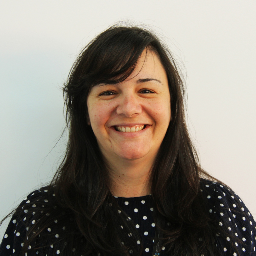
Georgina Alves
Georgina Alves has been working in the field of infectious diseases since 2009 with a strong focus on cell biology, human genetics, microbiology, molecular genetics, drug development, drug delivery, and diagnosis. She holds a degree in Applied Biology, a master’s in Molecular Genetics and is currently finishing a PhD in Bioengineering Systems – an international PhD program developed in collaboration with MIT and several Portuguese institutions. As a research fellow, Georgina had the opportunity to collaborate in multiple projects, as well as to meet researchers from different scientific backgrounds. This period was an enriching and valuable experience for her personal and scientific development, giving her expertise in BSL2 and BSL3 pathogenic agents. Georgina has 14 international scientific publications, including a study on the development of a high-throughput screening method for quantifying intracellular Leishmania spp. Currently, she works as a technician at i3S Diagnostics (i3S, Porto), where she is involved in the development and implementation of innovative diagnostic tests for pathogen detection in clinical settings.

Sílvia Vale-Costa
Sílvia is a cell biologist keen on understanding the mechanisms of plasma membrane repair responding to viral-bacterial co-infection. She has prior experience in studying influenza A virus-induced membrane remodeling and associated vesicular trafficking events, and she is an expert in multimodal imaging. Outside the lab, Sílvia is the mom of a baby girl and enjoys cinema and Pilates.
Fernando Cagide
Fernando Cagide obtained his PhD (2009) in Organic Chemistry at the Chemistry Faculty at the University of Santiago de Compostela. His Ph.D.thesis was focused on the area of Organic Chemistry, and the research was related to the synthesis of natural products of marine origin, such as tetrodotoxin (a toxin present in a large number of species) and alkaloids extracted from plants such as pancratistanin (present in the family of Amaryllidaceae). In 2011, he started a post-doctoral stay at the Faculty of Sciences of the University of Porto, with a postdoctoral fellowship by FCT (SFRH/BPD/72923/2010), focused on Medicinal Chemistry. During this period, he participated in the synthesis of several families of compounds and evaluation of the biological properties: as their enzymatic inhibition properties in Acetyl- and Butyrylcholinesterases (AChE and BChE, respectively) and Monoamine Oxidase (MAO-A and -B)), their cytotoxicity profile evaluated in cell-free and cell-based assays, and their antioxidant properties. Fernando Cagide has a research grant under Decree-Law No. 57/2016, focused on synthesizing and evaluating new substances with antibiotic properties.
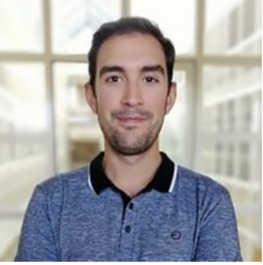
Carlos Fernandes
Carlos Fernandes (CF) has a PhD in Pharmaceutical Sciences (Nanotechnology specialty) obtained in Faculty of Pharmacy of University of Porto. He was awarded with the European Doctorate title, and his PhD research was recognized by the prestigious Paul Ehrlich MedChem Network (http://www.pehrlichmedchem.eu/) as one of the best European PhD thesis in the Medicinal Chemistry field. In 2020, he was awarded with a 6-year contract as PhD researcher in Faculty of Sciences of University of Porto. From 2020 up to now, CF has been lecturing BSc and MSc classes within the curricular units at the FCUP and during the years of 2022 and 2023, he was invited by FCUP as assistant professor. He is a member of the Researchers Committee of the Department of Chemistry and Biochemistry (2023-now, FCUP) and also an integrated member of the CIQUP-IMS (Chemistry Research Center-Institute of Molecular Sciences) research unit. He was a guest editor of a special issues of Molecules and actively collaborates as a referee in several journals in the Medicinal Chemistry and Nanomedicine areas. Carlos Fernandes's contributions to the research community and society are highlighted through his publications in peer-reviewed and open-access scientific journals, including 51 published papers (7 as the corresponding author) and 9 conference proceedings. Furthermore, he is co-author of 6-chapter books. Around 90% of papers were published in Q1 journals, receiving a total of 1,447 citations, yielding an h-index of 18 (Source: ISI Web of knowledge). Several of his works have gathered scientific distinctions, such as the IACOBUS-papers Awards in 2019, 2021,2024 and 2025 for his papers published in Molecules (2019), Eur J Med Chem (2021) and J Med Chem (2024). He is the principle researcher of a funded project by FCT entitled “Towards a personalized medicine for Amyotrophic Lateral Sclerosis: ROS-sensitive nanoparticles as carriers for combined drug delivery”.
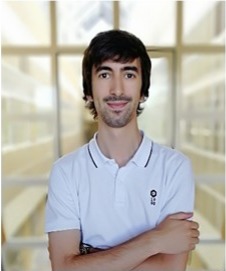
Miguel Pinto
Miguel Pinto (MP) holds a BSc (2014) in Biology from the University of Aveiro and an MSc (2017) in Biochemistry from the Faculty of Sciences, University of Porto, Portugal. From 2018 to 2019, he was a research fellow at CIQUP-IMS focusing on the development of drug-loaded polymer-based nanoparticles for the treatment of Parkinson’s disease. In 2019, he was awarded a PhD grant from Fundação para a Ciência e a Tecnologia (FCT) and enrolled in the Pharmaceutical Sciences (Nanotechnology specialty) Doctoral program at the Faculty of Pharmacy of the University of Porto. He developed his PhD research at the CIQUP-IMS (MedChem group) focusing on the development, optimization and biological evaluation, either in vitro or in vivo, of several nanometric drug delivery systems for the management and treatment of neurodegenerative disorders. During his PhD, he had the opportunity to stay abroad for 6 months at the University of Santiago de Compostela as part of his PhD research project. He is currently in the final stages of his PhD program.So far, MP is the author of 9 peer-reviewed publications and 2 book chapters (h-index 7) and has contributed to over 15 scientific communications (oral and poster) in national and international scientific meetings. His work was awarded in the 2024/2025 call of the IACOBUS Program for Scientific Publications (papers) for the scientific article “Rescuing a troubled tolcapone with PEGylated PLGA nanoparticles: design, characterization and hepatotoxicity evaluation” by the European Territorial Cooperation Group of Galicia-Northern Portugal (GNP, EGTC). He is also involved in academic duties, including as invited lecturer, assistant in practical classes or mentor to undergrad students at the MedChem Group.
Bruno Pereira
Bruno Pereira is an Associate Researcher and project PI at i3S in the Differentiation and Cancer group, working on RNA-level regulation in colorectal cancer development and therapy response, using mouse models and patient-derived tumoroids as main study models. He has a degree in Biology (2006) from the Faculty of Sciences, U. Porto, and a PhD in Biomedicine (2013) from the Faculty of Medicine, U. Porto, developed in IPATIMUP and the Institute for Advanced Biosciences (Grenoble, France). In parallel with the scientific activity, he has been a member of ANICT (Associação Nacional de Investigadores em Ciência e Tecnologia) since 2020, a board member since 2021, and the President of the board since 2023. ANICT has been committed to discuss issues concerning science policies and researcher´s career development and, more importantly, propose solutions to the involved stakeholders (Government, Parliament, FCT) to improve them.
Fernanda Correia
Psychologist with 20 years of professional experience in Vocational Intervention, Sustainable Career Development and Career Counselling. Coordinator of key institutional programs such as UP Doctoral Careers (career development and transferable skills for PhD candidates), UPgrade (skills development), and Pair UP (inclusive employability).
Certified Global Career Development Facilitator/Counsellor (EBCC). Ambassador for Green Guidance and Social Justice. Full member of the Portuguese Psychologists’ Association and holder of the European Certificate in Psychology (EuroPsy).
Leads European projects and initiatives such as the EUGLOH Career Network (European Alliance) and is a member of LEO-NET (European internships network). Responsible for the creation of the U.Porto Talent and Career Office in 2020 and the U.Porto Talent and Career Network, bringing together academic and professional staff working in the field of careers.
Holds a Master’s degree in Psychology from the University of Porto. Consultant, lecturer, trainer, and internship and traineeship supervisor. Regularly invited as a speaker and institutional representative at national and international conferences and seminars.
Maria Inês Ferreira
Psychologist in the fields of career development and vocational guidance, as well as clinical and health psychology. Currently working at the Talent and Career Office of the University of Porto, supporting the career development and employability of students and graduates, and involved in the UP Doctoral Careers initiatives.
Has been in clinical practice since 2021, with experience in psychological intervention with young people and adults, as well as in vocational guidance and career development. Trainer in the areas of behavioural skills, personal development, and employability.
Holds a Bachelor’s and Master’s degree in Psychology from the University of Aveiro and is a full member of the Portuguese Psychologists’ Association, with the European Certificate in Psychology (EuroPsy) awarded by EFPA.
Founding member of the National Association of Young Portuguese Psychologists, whose main goal is to support their professional integration and development.
Romain Briandet
Romain Briandet is a research director at INRAE and leads the B3D team at the Micalis Institute, a mix research unit between INRAE, AgroParisTech and Université Paris-Saclay. His work focuses on the spatial organization of microbial communities, with applications in food safety, public health, and biocontrol. He also leads the LabCom Biofilm1Health, a collaborative laboratory dedicated to exploring the potential of beneficial biofilms for One Health advancements.
Sybil Obuobi
Sybil Obuobi is a senior scientist at UiT The Arctic University of Norway and leads research within the Drug Transport and Delivery Research Group. Her work focuses on overcoming biological and microbial barriers to drug delivery, with applications in recurrent infections, wound therapy, and inflammatory skin diseases. She specializes in advanced antimicrobial delivery systems based on DNA nanotechnology, lipid formulations, and biohybrid nanocarriers to combat drug resistance and microbial biofilms. She also leads interdisciplinary research initiatives aimed at developing innovative therapeutic technologies for persistent infections and advanced skin therapy.

Filipa Grosso
Filipa Grosso has a degree in Pharmaceutical Sciences, a Master's in Clinical Microbiology and a PhD in Pharmaceutical Sciences - Microbiology. Her research has focused primarily on priority pathogens such as Acinetobacter and Pseudomonas, contributing to the understanding of their resistance mechanisms and virulence traits.
In addition to her work on antimicrobial resistance, FG has explored bacterial metabolism with biotechnological relevance, including co-authorship of a Portuguese patent on the microbial production of aromatic compounds.
Her recent work integrates host–microbe–microbe interactions in the female urogenital tract focusing on the characterization of bacterial isolates with therapeutic and biotechnological potential. She is also active in science outreach through initiatives like MicroMundo@UPorto.

Liliane P. Ferrador
Liliane P. Ferrador is a microbiologist specializing in molecular biology, antimicrobial resistance, and microbial genomics. She earned her BSc and MSc degrees from Portuguese universities, where she developed a strong interest in microbial communities, infection control, and sustainable antimicrobial strategies. Liliane expanded her expertise through postgraduate training in bacterial genomics and advanced data analysis. In 2024, she was awarded a research fellowship to study a soil-derived bacterium with antimicrobial activity, applying genomics, transcriptomics, and chemical profiling techniques. Beyond the lab, Liliane is committed to science outreach, organizing exhibitions and workshops to promote awareness of antimicrobial resistance and microbiology among students and the public. Her work bridges fundamental research with practical applications in infection control and antimicrobial discovery.

Joana Moreira
Joana holds both BSc and MSc degrees in Biochemistry from the Faculty of Sciences of the University of Porto and the Abel Salazar Biomedical Sciences Institute (ICBAS), Portugal. Throughout her academic path, she has focused on the development of drug delivery platforms and biomaterials for applications in cancer treatment, neurodegenerative disorders, and inflammatory skin conditions. She is currently a PhD student focused on the development of multi-stimuli-responsive drug delivery systems for combinatorial therapy against psoriasis.
Committees
- Organizing Committee
- Scientific Committee
- Mentoring Committee
Anabela Borges
(ALiCE-LEPABE, FEUP) →
Andreia S. Azevedo
(ALiCE-LEPABE, FEUP) →
Claúdia Serra
(CIIMAR, FCUP) →
Fernanda Borges
(RISE-HEALTH, FMUP) →
Filipa Grosso
(UCIBIO-I4HB-FFUP) →
Rute Oliveira
(i3S) →
Sandra Sousa
(i3S) →
Joana P. Fernandes
(CIIMAR, FCUP) →
Miguel Semedo
(CIIMAR) →
Diogo Alexandrino
(CIIMAR, ESS-P.Porto) →
Joana Vilas Boas
(ALiCE-LEPABE, FEUP) →
Miguel Leitão
(ALiCE-LEPABE, FEUP) →
Marta Tedim
(ALiCE-LEPABE, FEUP) →
Inês Leal
(CIIMAR, FCUP) →
Bárbara Guedes
(CIIMAR, FCUP) →
Ariana Gonçalves
(FEUP) →
Leonor Pizarro
(CIIMAR, ICBAS) →
Isadora Maia
(ALiCE-LEPABE, FEUP) →
Miguel Pinto
(i3S) →
Georgina Alves
(i3S) →
Sílvia Vale-Costa
(i3S) →
Fernando Cagide
(RISE-HEALTH, FMUP) →
Carlos Fernandes
(RISE-HEALTH, FMUP) →
Miguel Pinto
(RISE-HEALTH, FMUP) →
Liliane P. Ferrador
(UCIBIO-I4HB-FFUP) →
Joana Moreira
(RISE-HEALTH, FMUP) →
Miguel Leitão
Miguel holds a Bachelor’s and a Master’s degree in Biomedical Sciences from the University of Beira Interior. He is currently pursuing a PhD in Chemical and Biological Engineering at the Faculty of Engineering, University of Porto. His doctoral research focuses on developing innovative multi-target-directed agents for the treatment of biofilm-associated infections, particularly through the design of antimicrobial hybrid molecules and natural-based therapeutic strategies. During his PhD, he also conducted international research at the Commissariat à l'énergie atomique et aux énergies alternatives (CEA Paris, LCBM), working in a multidisciplinary environment integrating microbiology, organic chemistry, and computational approaches. He is the author of multiple first-author publications in high-impact journals in microbiology and medicinal chemistry, with additional co-authored publications and manuscripts under review. He is also co-inventor of a patent on antimicrobial hybrid molecules targeting biofilm-associated infections.
Marta Tedim
Marta is a 1st year PhD Student in Chemical and Biological Engineering with a B.Sc. in Bioengineering and an M.Sc. in Biological Engineering. Her PhD research aims to develop a quantitative image analysis pipeline to characterize interkingdom biofilms associated with chronic wound infections. Her work explores how antibiotic exposure influences biofilm architecture at the single-cell level. Her research interests include microbiology, quantitative image analysis and biofilms.
Inês Leal
Inês Leal holds a bachelor's degree in Biology from University of Porto and a master's degree in molecular and Microbial Biology from University of Algarve. Currently, she is in the second year of her PhD in Environmental Sciences and Technology that is being done in a collaboration between CIIMAR (ECOBIOTEC- BMS group) and Águas e Energia do Porto, E.M. After working in bioremediation and environmental microbiology during her bachelor’s and food microbiology during her masters, her current work focuses on bioremediation and nature-based solutions for the removal of micropollutants, mainly pharmaceuticals and microplastics, from the effluent of wastewater treatment plants. Her work combines several areas such as microbiology, molecular biology and organic chemistry to improve the quality of the effluent released to the aquatic environment, to improve the overall health of the aquatic systems.
Bárbara Guedes
Bárbara Guedes holds a BSc in Biology and an MSc in Cellular and Molecular Biology, both from the Faculty of Sciences at the University of Porto. Currently, Bárbara is a 1st year PhD student in the Microbiology and Biotechnology in Aquaculture (MBAqua) group at the Interdisciplinary Centre of Marine and Environmental Research (CIIMAR), University of Porto.
Her research is centred on sustainable fish vaccination strategies to prevent and control bacterial infections in aquaculture. She focuses on developing next-generation oral vaccines using Bacillus subtilis spores as innovative delivery vehicles (SporoVaccines).
Additionally, she investigates the use of molecular adjuvants, a relatively unexplored approach in oral immunisation, to boost immune responses and enhance vaccine efficacy.
Barbara’s scientific achievements include 4 peer-reviewed publications (2 as first author), 11 presentations at national and international conferences, and co-supervision of 3 BSc students.
Anabela Borges
Anabela Borges graduated in Biology holds a Master’s degree in Clinical Laboratory Biology, and a PhD in Chemical and Biological Sciences. Currently, she is an Assistant Researcher at the Faculty of Engineering of the University of Porto and member of the Laboratory for Process Engineering, Environment, Biotechnology and Energy (LEPABE). Her main research interests are related to the problematic of antibiotic resistance and biofilm formation in bio(medical) fields. Her research is focused on the development of new antibacterial agents and strategies to fight bacterial resistance and biofilm-associated infections (e.g., chronic wounds, pulmonary), with special interest in phytochemical compounds and antipathogenic/antivirulence approaches (e.g., quorum-sensing inhibition). In recent years, she has been involved in national (5) and European projects (2) as PI or coordinator team member, and in the supervision of several students at different levels. She has held various editorial roles, including Associate, Section, Topic and Review Editor in reputable journals, and provided external services for global leader companies. She has more than 52 papers published in journals indexed in JCR (h-index = 27) on the domain of bacterial infectious diseases and antibacterial chemotherapy (specifically phytotherapy/phytomedicine). She was recognized as one of the most cited scientists in the World – on the World's Top 2% Scientists List 2021 and 2022 (Stanford University ranking).
Andreia S. Azevedo
Andreia S. Azevedo completed her PhD degree in June 2016 at Chemical and Biological Engineering from Faculty of Engineering (FEUP), University of Porto, in collaboration with the Nucleic Acid Center, Department of Physics, Chemistry and Pharmacy, University of Southern Denmark (NAC, SDU). After holding a Post-doctoral position at FEUP in April 2017 (FCT-funded grant-SFRH/BPD/121601/2016), Andreia S. Azevedo started to work as a junior researcher and as a principal investigator for one FCT-funded project entitled by "Development of NAM-CLASI-FIVH method: a new in vivo tool for an accurate analysis of diversity and spatial organization of gastric microbiota" (POCI-01-0145-FEDER-030431), at FEUP in January 2019. She is, from 2024, an Junior Researcher at LEPABE. Her main research interests include exploring and studying the hybridization properties of various nucleic acid mimics (NAMs), developing innovative Fluorescence in situ hybridization (FISH) methodologies using NAMs, and implementing and combining spectral imaging and NAM-FISH for the characterization of complex microbial communities.
Claúdia Serra
Cláudia Serra coordinates the MBAqua - Microbiology and Biotechnology Research Group of CIIMAR- Interdisciplinary Centre of Marine and Environmental Research and is Assistant Professor at FCUP- Faculty of Sciences of the University of Porto, Portugal. Her research interests include the study of fish gut microbial communities, their relation to fish health/performance, and the development of microbial-based strategies to fight aquaculture problems. Claudia has more than 20 years of practical lab experience in academic settings with strong connections to pharma and animal-feed industries, counting with 3 Patents. 1 licensing agreement and several prizes. She has been involved in national and international projects, in students supervision, and in disseminating her research to schools and the general public.
Fernanda Borges
Fernanda Borges (FB) is Associate Professor with Habilitation at the Faculty of Sciences, University of Porto (FCUP). FB received her MSc and PhD (Pharmaceutical Chemistry) in Pharmacy from the Faculty of Pharmacy, University of Porto, Portugal. In 2021/2022/2023 FB stood among the world’s top 2% most cited researchers and those with the greatest impact throughout their career, by the Stanford University Ranking. FB published 395 articles, 26 book chapters (H-index: 60; Scopus) FB supervised/co-supervised (inter)national students at PhD (36) and MSc (42) thesis. FB was the Principal Investigator (PI) and co-PI of 33 national projects, and the principal inventor in 8 (inter)national patents. FB was the National delegate (MC substitute) of COST-CM1406, proponent, Vice-Chair and Grant Holder of COST CA15135, and member of the coordinating board of the European Projects Foie Gas (ETN) and mtFoie Gas (Rise). FB participates in (inter)national networks. (e.g. European Nanomedicine Technology Network, PT-OPENSCREEN, EU-OPENSCREEN, Paul Ehrlich MedChem, COADD. FB is the Coordinator of the EU PhD network Paul Ehrlich MedChem and the founder of the MitoTAG spin-off. FB's research is focused on drug discovery, namely the development of new chemical entities for the prevention/therapy of neurodegenerative, liver, cancer, or infectious diseases and the development of nanomedicine systems for therapeutic/diagnostic/ drug delivery approaches.
Rute Oliveira
Rute Oliveira graduated in Biology by the U. Porto, received an MSc from U. Minho, and a PhD in Molecular and Cellular Biology from U. Porto. Her research carried out at the i3S and at the John Innes Centre, UK, contributed to fundamental research on the transcriptional control of bacterial responses to oxidative stress. During the 2020 pandemic, she participated in the establishment of the i3S COVID-19 Testing Centre. Rute was invited for 2 secondments at the medical industry in Basel, Switzerland, one of them as lab supervisor. She is currently committed to the development of the new i3S diagnostics centre and put research in infectious diseases at the service of NHS patient care, to accelerate pathogen diagnosis and antimicrobial resistance surveillance with NGS-based clinical assays.
Sandra Sousa
Sandra is a microbiologist with deep interest in Host-pathogen interactions. She obtained a PhD in the laboratory of Pascale Cossart (Institut Pasteur, Paris) studying the bacterial mechanisms triggering key host signaling pathways to facilitate bacterial invasion of mammalian cells. She has been focusing her research on the understanding of mechanisms of host usurpation by relevant human pathogens. Sandra has extensive expertise in host cytoskeleton remodeling induced upon bacterial infection and to bacterial plasma membrane damaging factors, such as secreted pore-forming toxins. Sandra leads the group of Cell Biology of Bacterial Infections (CBBI) at i3S since June 2019. Her current research focus on intracellular responses to plasma membrane damage caused by pore-forming toxins, which are secreted by relevant human pathogens and play key roles in infection. In particular, she concentrates on plasma membrane and actomyosin remodeling, ER disruption and calcium signaling triggered by pore-forming toxins induced damage.
Joana P. Fernandes
Joana P. Fernandes holds a degree (2012) and master’s degree (2014) in Environmental Sciences and Technology (FCUP-UP) and a PhD in Biomedical Sciences (ICBAS – UP, 2021). In recent years, her research has been focused on biodegradation of emerging pollutants by autochthonous microorganisms. She has been studying different biodegradation approaches to remove emerging pollutants from contaminated environments and how these remediation strategies can change the natural community dynamics and structure. In addition, she has been also working in the development of biochar structures with immobilized microorganisms, with the capacity to degrade different pharmaceuticals, to be implemented in tertiary or quaternary treatment of wastewater treatment plants. Also, she is the curator of the CIIMAR Microbial Culture Collection, working in the isolation, cultivation, and identification of microorganisms (bacteria and fungi) with different biotechnological purposes.
Miguel Semedo
Miguel Semedo is a microbial ecologist with a PhD in Marine Science (2019) from the Virginia Institute of Marine Science (United States). He is currently a Junior Researcher at CIIMAR and co-Principal Investigator of the Microbiome Ecology and Biogeochemistry group, where he is investigating the impacts of metal exposure on deep-sea microbial communities. Besides this main project, he collaborates in more than 5 national and international projects at CIIMAR in the fields of microbial ecology, nitrogen cycle, and environmental pollution. For his research, he applies molecular, bioinformatic, and biogeochemical methodologies to connect the dots between microbial community structure and biological activity. Miguel has made significant contributions to the fields of microbial ecology and environmental toxicology, with 22 research papers so far (8 as first author, 8 as corresponding) with more than 450 citations and an h-index of 10 (Google Scholar). He also supervises/co-supervises or has supervised/co-supervised 4 PhD students, 9 MSc students, and 4 BSc students. Miguel has funded his research and salary with competitive grants or fellowships, such as a Marie Skłodowska-Curie Fellowship (2021), an FCT Exploratory project (2022), an FCT IC&DT project (2023), and a 6-year Junior Researcher contract through the FCT national call (CEEC 2023).
Diogo Alexandrino
Diogo A. M. Alexandrino is a researcher at CIIMAR, an Invited Adjunct Professor at the Department of Environmental Health of School of Health (Polytechnic of Porto) and a Research Associate of the European Science Foundation. Diogo’s main research interest focuses on studying the physiology and metabolism of the bacterial degradation/transformation of (poly)fluorinated pollutants. He’s also highly interested in harnessing bacterial processes for pollution control, to mitigate anthropogenic pressures and to improve the circularity of various waste streams, either by using axenic bacteria, tailored bacterial consortia or by merging bacterial metabolism with synthetic processes.
Joana Vilas Boas
Joana Vilas Boas holds a PhD in Chemical and Biological Engineering from the Faculty of Engineering of the University of Porto. She began her scientific career in 2011 with an internship at Wetsus (Netherlands), working on microbial fuel cells for sustainable energy recovery. She is currently a Junior Researcher in the European project e.Biofilm (Horizon Europe), where she studies the 3D structure of polymicrobial biofilms. Her research focuses on understanding how the spatial organization of microbial communities shapes their function through quantitative analysis of confocal microscopy images.
Ariana Gonçalves
Ariana S. C. Gonçalves holds a Bachelor's and a Master’s degree in Biomedical sciences from the University of Beira Interior. She is currently pursuing her Ph.D. in Chemical and Biological Engineering at the Faculty of Engineering, University of Porto. Her research is centered on developing innovative natural-based combinations to address chronic wound infections associated with biofilms.
Leonor Pizarro
Leonor has a Bachelor’s degree in Microbiology (2020) and a Master’s in Applied Microbiology (2022), both from the Escola Superior de Biotecnologia – Universidade Católica Portuguesa do Porto. After conducting her master’s thesis at CIIMAR, she became a research technician there. Leonor is now a PhD student at CIIMAR, in collaboration with WHOI (USA), where she explores metal impacts and the bioremediation potential of deep-sea bacteria and microbial communities. Leonor participates regularly in deep-sea cruise expeditions where she collects samples for her PhD work, learns about various techniques and equipment, and establishes new collaborations. Being an avid believer that science should be shared, Leonor has participated in several national and international conferences, being the last the 17th Deep-sea Biology Symposium, last January in Hong Kong, given lectures to high school students about the Arctic and climate change, and she is also a part of CIIMAR’s PhD students committee that organizes several scientific activities, including an annual conference – the Blue Think Conference. Leonor’s PhD grant is funded by FCT.
Isadora Maia
Isadora is a 1st year PhD student in Chemical and Biological Engineering at FEUP. She holds an MSc in Biotechnology and has experience in microbiology and biofilm research. Before the PhD, she worked as a project researcher at LEPABE in collaboration with Chalmers University of Technology. In 2025, she began her PhD focused on developing and validating in vitro models for cystic fibrosis-related infections. In partnership with Bac3Gel, she applies PNA-FISH to study polymicrobial biofilms in 3D pulmonary models. Her interests include microbiology, infection models, genetic engineering and cellular modification, with a strong motivation to advance diagnostics and promote public engagement with science.
Miguel Pinto
Miguel Pinto holds a Bachelor's degree in Biology and a Master's degree in Bioinformatics and Computational Biology, both from the Faculty of Sciences of the University of Porto (FCUP). His Master's dissertation focused on the development of a bioinformatics pipeline designed to perform automated and efficient phylogenetic analyses. Currently he is the bioinformatician at i3S Diagnostics and his work is centered on the development of advanced bioinformatics pipelines and the management of large-scale genomic sequencing data. His contributions support the processing and interpretation of high-throughput NGS data with the goal of developing innovative diagnostic tests for the accurate detection of pathogenic agents in metagenomic samples and the characterization of their antimicrobial resistance profiles.
Georgina Alves
Georgina Alves has been working in the field of infectious diseases since 2009 with a strong focus on cell biology, human genetics, microbiology, molecular genetics, drug development, drug delivery, and diagnosis. She holds a degree in Applied Biology, a master’s in Molecular Genetics and is currently finishing a PhD in Bioengineering Systems – an international PhD program developed in collaboration with MIT and several Portuguese institutions. As a research fellow, Georgina had the opportunity to collaborate in multiple projects, as well as to meet researchers from different scientific backgrounds. This period was an enriching and valuable experience for her personal and scientific development, giving her expertise in BSL2 and BSL3 pathogenic agents. Georgina has 14 international scientific publications, including a study on the development of a high-throughput screening method for quantifying intracellular Leishmania spp. Currently, she works as a technician at i3S Diagnostics (i3S, Porto), where she is involved in the development and implementation of innovative diagnostic tests for pathogen detection in clinical settings.
Sílvia Vale-Costa
Sílvia is a cell biologist keen on understanding the mechanisms of plasma membrane repair responding to viral-bacterial co-infection. She has prior experience in studying influenza A virus-induced membrane remodeling and associated vesicular trafficking events, and she is an expert in multimodal imaging. Outside the lab, Sílvia is the mom of a baby girl and enjoys cinema and Pilates.
Fernando Cagide
Fernando Cagide obtained his PhD (2009) in Organic Chemistry at the Chemistry Faculty at the University of Santiago de Compostela. His Ph.D.thesis was focused on the area of Organic Chemistry, and the research was related to the synthesis of natural products of marine origin, such as tetrodotoxin (a toxin present in a large number of species) and alkaloids extracted from plants such as pancratistanin (present in the family of Amaryllidaceae). In 2011, he started a post-doctoral stay at the Faculty of Sciences of the University of Porto, with a postdoctoral fellowship by FCT (SFRH/BPD/72923/2010), focused on Medicinal Chemistry. During this period, he participated in the synthesis of several families of compounds and evaluation of the biological properties: as their enzymatic inhibition properties in Acetyl- and Butyrylcholinesterases (AChE and BChE, respectively) and Monoamine Oxidase (MAO-A and -B)), their cytotoxicity profile evaluated in cell-free and cell-based assays, and their antioxidant properties. Fernando Cagide has a research grant under Decree-Law No. 57/2016, focused on synthesizing and evaluating new substances with antibiotic properties.
Carlos Fernandes
Carlos Fernandes (CF) has a PhD in Pharmaceutical Sciences (Nanotechnology specialty) obtained in Faculty of Pharmacy of University of Porto. He was awarded with the European Doctorate title, and his PhD research was recognized by the prestigious Paul Ehrlich MedChem Network (http://www.pehrlichmedchem.eu/) as one of the best European PhD thesis in the Medicinal Chemistry field. In 2020, he was awarded with a 6-year contract as PhD researcher in Faculty of Sciences of University of Porto. From 2020 up to now, CF has been lecturing BSc and MSc classes within the curricular units at the FCUP and during the years of 2022 and 2023, he was invited by FCUP as assistant professor. He is a member of the Researchers Committee of the Department of Chemistry and Biochemistry (2023-now, FCUP) and also an integrated member of the CIQUP-IMS (Chemistry Research Center-Institute of Molecular Sciences) research unit. He was a guest editor of a special issues of Molecules and actively collaborates as a referee in several journals in the Medicinal Chemistry and Nanomedicine areas. Carlos Fernandes's contributions to the research community and society are highlighted through his publications in peer-reviewed and open-access scientific journals, including 51 published papers (7 as the corresponding author) and 9 conference proceedings. Furthermore, he is co-author of 6-chapter books. Around 90% of papers were published in Q1 journals, receiving a total of 1,447 citations, yielding an h-index of 18 (Source: ISI Web of knowledge). Several of his works have gathered scientific distinctions, such as the IACOBUS-papers Awards in 2019, 2021,2024 and 2025 for his papers published in Molecules (2019), Eur J Med Chem (2021) and J Med Chem (2024). He is the principle researcher of a funded project by FCT entitled “Towards a personalized medicine for Amyotrophic Lateral Sclerosis: ROS-sensitive nanoparticles as carriers for combined drug delivery”.
Miguel Pinto
Miguel Pinto (MP) holds a BSc (2014) in Biology from the University of Aveiro and an MSc (2017) in Biochemistry from the Faculty of Sciences, University of Porto, Portugal. From 2018 to 2019, he was a research fellow at CIQUP-IMS focusing on the development of drug-loaded polymer-based nanoparticles for the treatment of Parkinson’s disease. In 2019, he was awarded a PhD grant from Fundação para a Ciência e a Tecnologia (FCT) and enrolled in the Pharmaceutical Sciences (Nanotechnology specialty) Doctoral program at the Faculty of Pharmacy of the University of Porto. He developed his PhD research at the CIQUP-IMS (MedChem group) focusing on the development, optimization and biological evaluation, either in vitro or in vivo, of several nanometric drug delivery systems for the management and treatment of neurodegenerative disorders. During his PhD, he had the opportunity to stay abroad for 6 months at the University of Santiago de Compostela as part of his PhD research project. He is currently in the final stages of his PhD program.So far, MP is the author of 9 peer-reviewed publications and 2 book chapters (h-index 7) and has contributed to over 15 scientific communications (oral and poster) in national and international scientific meetings. His work was awarded in the 2024/2025 call of the IACOBUS Program for Scientific Publications (papers) for the scientific article “Rescuing a troubled tolcapone with PEGylated PLGA nanoparticles: design, characterization and hepatotoxicity evaluation” by the European Territorial Cooperation Group of Galicia-Northern Portugal (GNP, EGTC). He is also involved in academic duties, including as invited lecturer, assistant in practical classes or mentor to undergrad students at the MedChem Group.
Bruno Pereira
Bruno Pereira is an Associate Researcher and project PI at i3S in the Differentiation and Cancer group, working on RNA-level regulation in colorectal cancer development and therapy response, using mouse models and patient-derived tumoroids as main study models. He has a degree in Biology (2006) from the Faculty of Sciences, U. Porto, and a PhD in Biomedicine (2013) from the Faculty of Medicine, U. Porto, developed in IPATIMUP and the Institute for Advanced Biosciences (Grenoble, France). In parallel with the scientific activity, he has been a member of ANICT (Associação Nacional de Investigadores em Ciência e Tecnologia) since 2020, a board member since 2021, and the President of the board since 2023. ANICT has been committed to discuss issues concerning science policies and researcher´s career development and, more importantly, propose solutions to the involved stakeholders (Government, Parliament, FCT) to improve them.
Fernanda Correia
Psychologist with 20 years of professional experience in Vocational Intervention, Sustainable Career Development and Career Counselling. Coordinator of key institutional programs such as UP Doctoral Careers (career development and transferable skills for PhD candidates), UPgrade (skills development), and Pair UP (inclusive employability).
Certified Global Career Development Facilitator/Counsellor (EBCC). Ambassador for Green Guidance and Social Justice. Full member of the Portuguese Psychologists’ Association and holder of the European Certificate in Psychology (EuroPsy).
Leads European projects and initiatives such as the EUGLOH Career Network (European Alliance) and is a member of LEO-NET (European internships network). Responsible for the creation of the U.Porto Talent and Career Office in 2020 and the U.Porto Talent and Career Network, bringing together academic and professional staff working in the field of careers.
Holds a Master’s degree in Psychology from the University of Porto. Consultant, lecturer, trainer, and internship and traineeship supervisor. Regularly invited as a speaker and institutional representative at national and international conferences and seminars.
Maria Inês Ferreira
Psychologist in the fields of career development and vocational guidance, as well as clinical and health psychology. Currently working at the Talent and Career Office of the University of Porto, supporting the career development and employability of students and graduates, and involved in the UP Doctoral Careers initiatives.
Has been in clinical practice since 2021, with experience in psychological intervention with young people and adults, as well as in vocational guidance and career development. Trainer in the areas of behavioural skills, personal development, and employability.
Holds a Bachelor’s and Master’s degree in Psychology from the University of Aveiro and is a full member of the Portuguese Psychologists’ Association, with the European Certificate in Psychology (EuroPsy) awarded by EFPA.
Founding member of the National Association of Young Portuguese Psychologists, whose main goal is to support their professional integration and development.
Romain Briandet
Romain Briandet is a research director at INRAE and leads the B3D team at the Micalis Institute, a mix research unit between INRAE, AgroParisTech and Université Paris-Saclay. His work focuses on the spatial organization of microbial communities, with applications in food safety, public health, and biocontrol. He also leads the LabCom Biofilm1Health, a collaborative laboratory dedicated to exploring the potential of beneficial biofilms for One Health advancements.
Sybil Obuobi
Sybil Obuobi is a senior scientist at UiT The Arctic University of Norway and leads research within the Drug Transport and Delivery Research Group. Her work focuses on overcoming biological and microbial barriers to drug delivery, with applications in recurrent infections, wound therapy, and inflammatory skin diseases. She specializes in advanced antimicrobial delivery systems based on DNA nanotechnology, lipid formulations, and biohybrid nanocarriers to combat drug resistance and microbial biofilms. She also leads interdisciplinary research initiatives aimed at developing innovative therapeutic technologies for persistent infections and advanced skin therapy.
Filipa Grosso
Filipa Grosso has a degree in Pharmaceutical Sciences, a Master's in Clinical Microbiology and a PhD in Pharmaceutical Sciences - Microbiology. Her research has focused primarily on priority pathogens such as Acinetobacter and Pseudomonas, contributing to the understanding of their resistance mechanisms and virulence traits.
In addition to her work on antimicrobial resistance, FG has explored bacterial metabolism with biotechnological relevance, including co-authorship of a Portuguese patent on the microbial production of aromatic compounds.
Her recent work integrates host–microbe–microbe interactions in the female urogenital tract focusing on the characterization of bacterial isolates with therapeutic and biotechnological potential. She is also active in science outreach through initiatives like MicroMundo@UPorto.
Liliane P. Ferrador
Liliane P. Ferrador is a microbiologist specializing in molecular biology, antimicrobial resistance, and microbial genomics. She earned her BSc and MSc degrees from Portuguese universities, where she developed a strong interest in microbial communities, infection control, and sustainable antimicrobial strategies. Liliane expanded her expertise through postgraduate training in bacterial genomics and advanced data analysis. In 2024, she was awarded a research fellowship to study a soil-derived bacterium with antimicrobial activity, applying genomics, transcriptomics, and chemical profiling techniques. Beyond the lab, Liliane is committed to science outreach, organizing exhibitions and workshops to promote awareness of antimicrobial resistance and microbiology among students and the public. Her work bridges fundamental research with practical applications in infection control and antimicrobial discovery.
Joana Moreira
Joana holds both BSc and MSc degrees in Biochemistry from the Faculty of Sciences of the University of Porto and the Abel Salazar Biomedical Sciences Institute (ICBAS), Portugal. Throughout her academic path, she has focused on the development of drug delivery platforms and biomaterials for applications in cancer treatment, neurodegenerative disorders, and inflammatory skin conditions. She is currently a PhD student focused on the development of multi-stimuli-responsive drug delivery systems for combinatorial therapy against psoriasis.
Partnerships









Sponsors


